
Events & Outreach
Artist Talkbacks & Engagement Opportunities
Artist Talkback
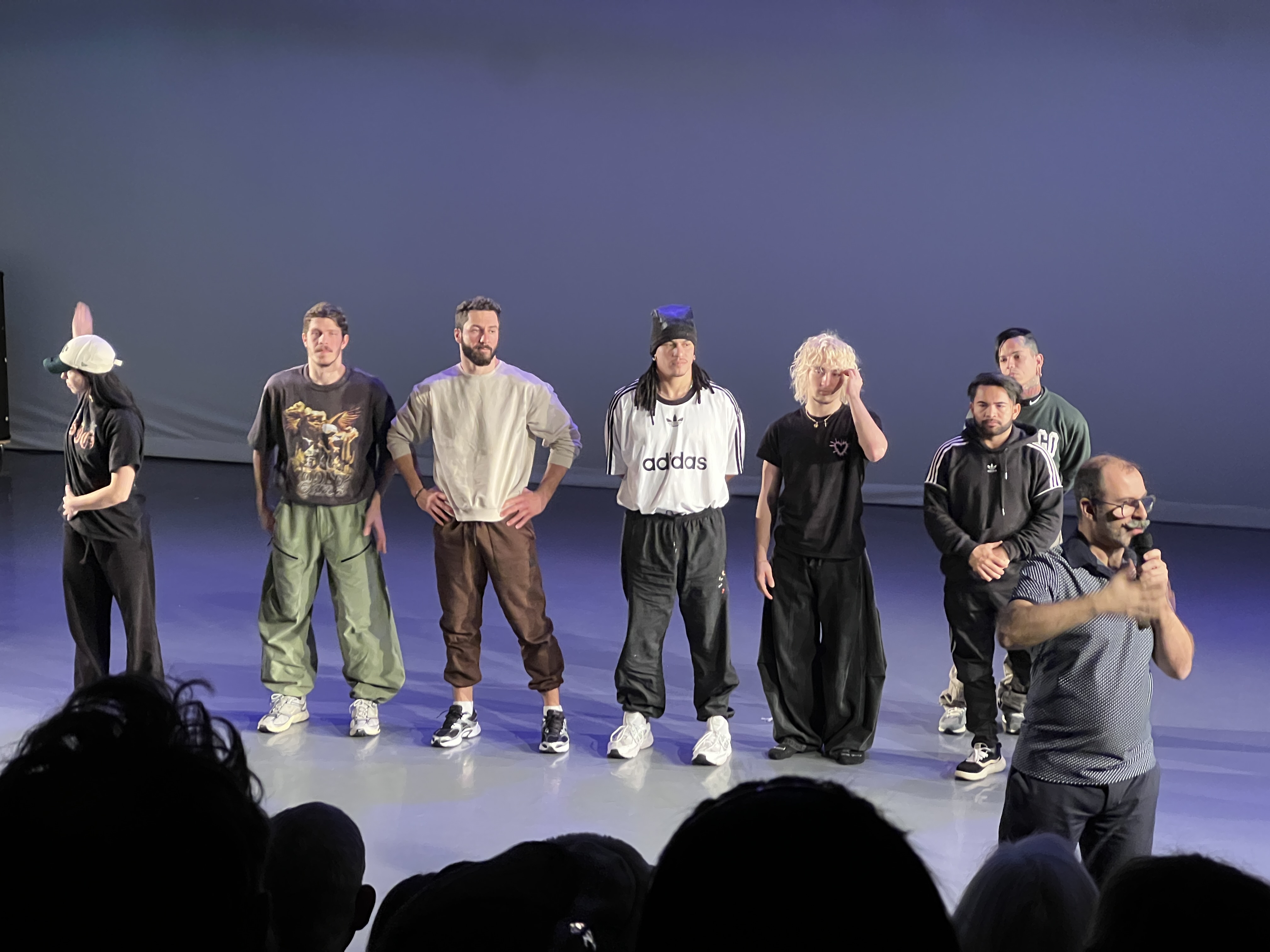
To provide more context on the work we present, White Bird facilitates talkbacks with visiting artists at most of our performances. These talkbacks generally last 30 minutes and may happen either before or after the performance. Talkback details are available in the ‘About The Program’ section on each show’s ticketing page.
Engagement Opportunities
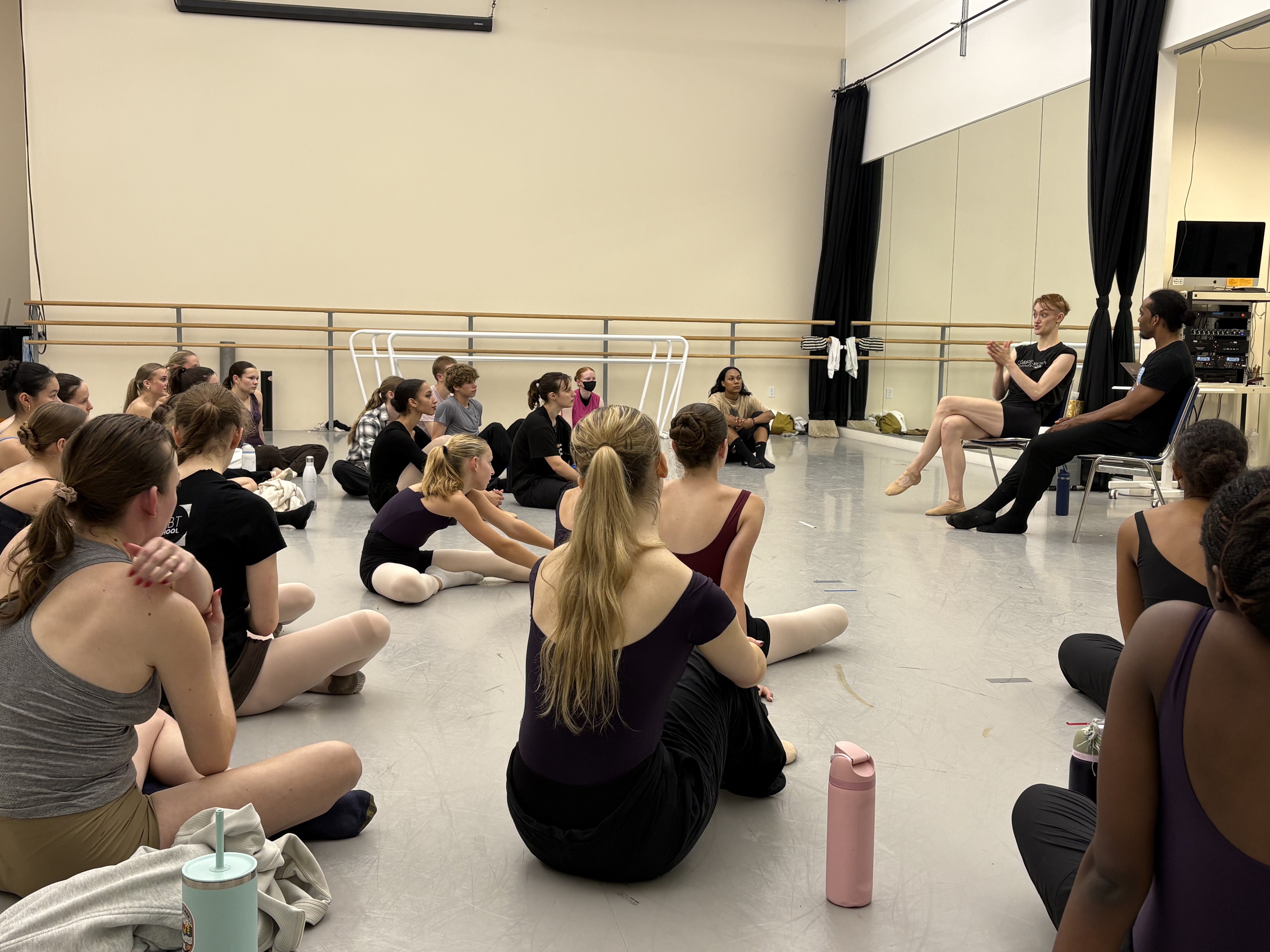
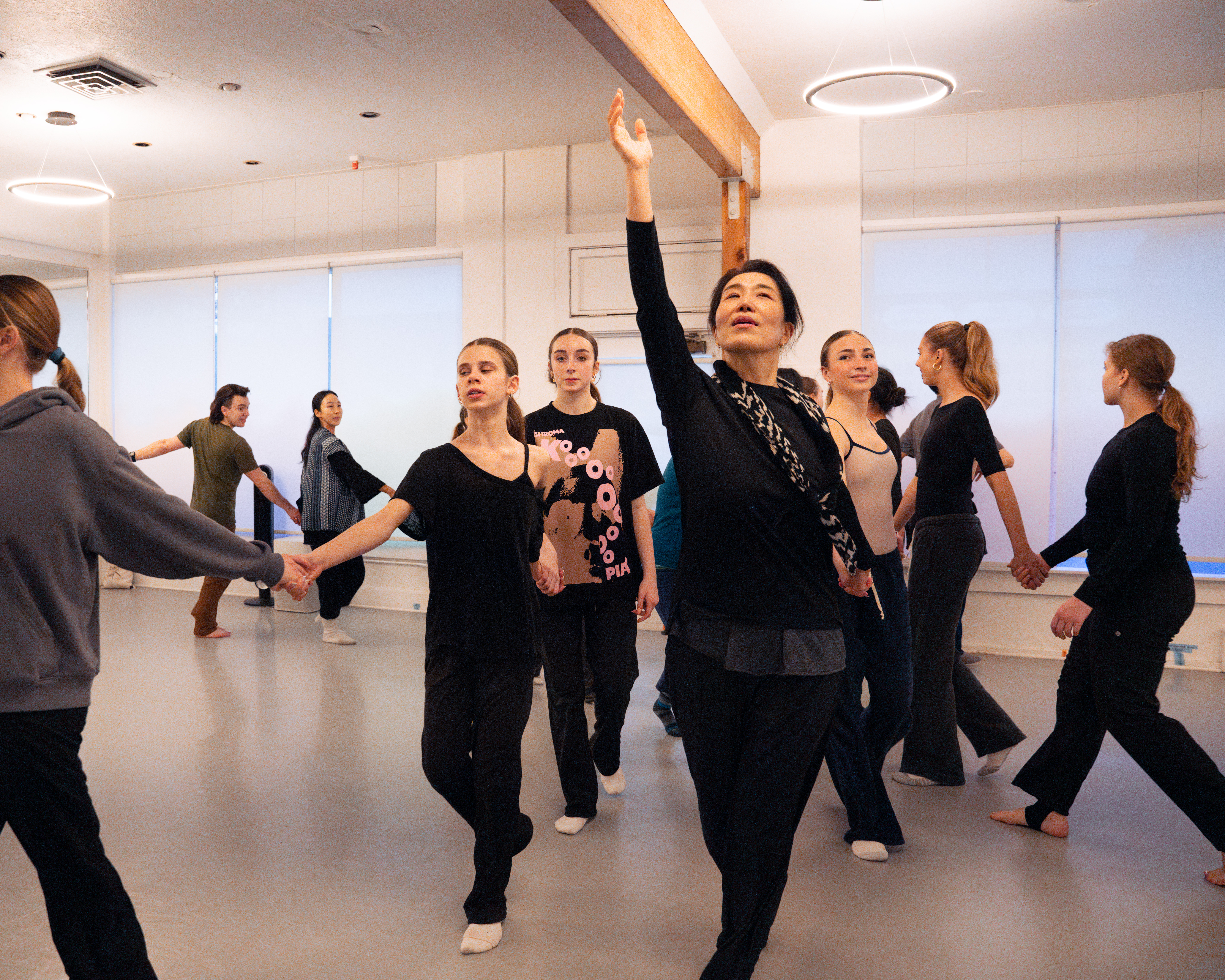
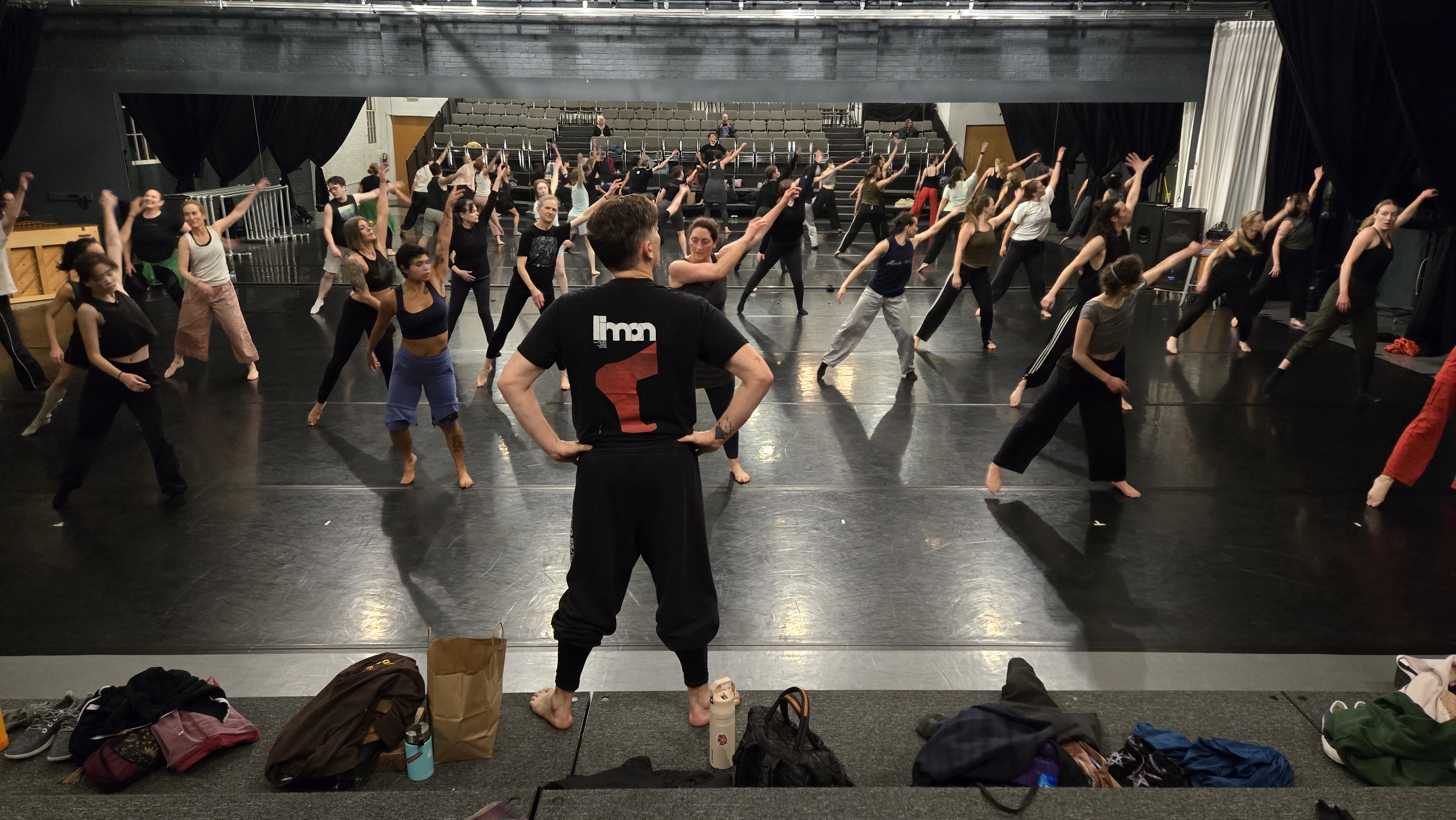
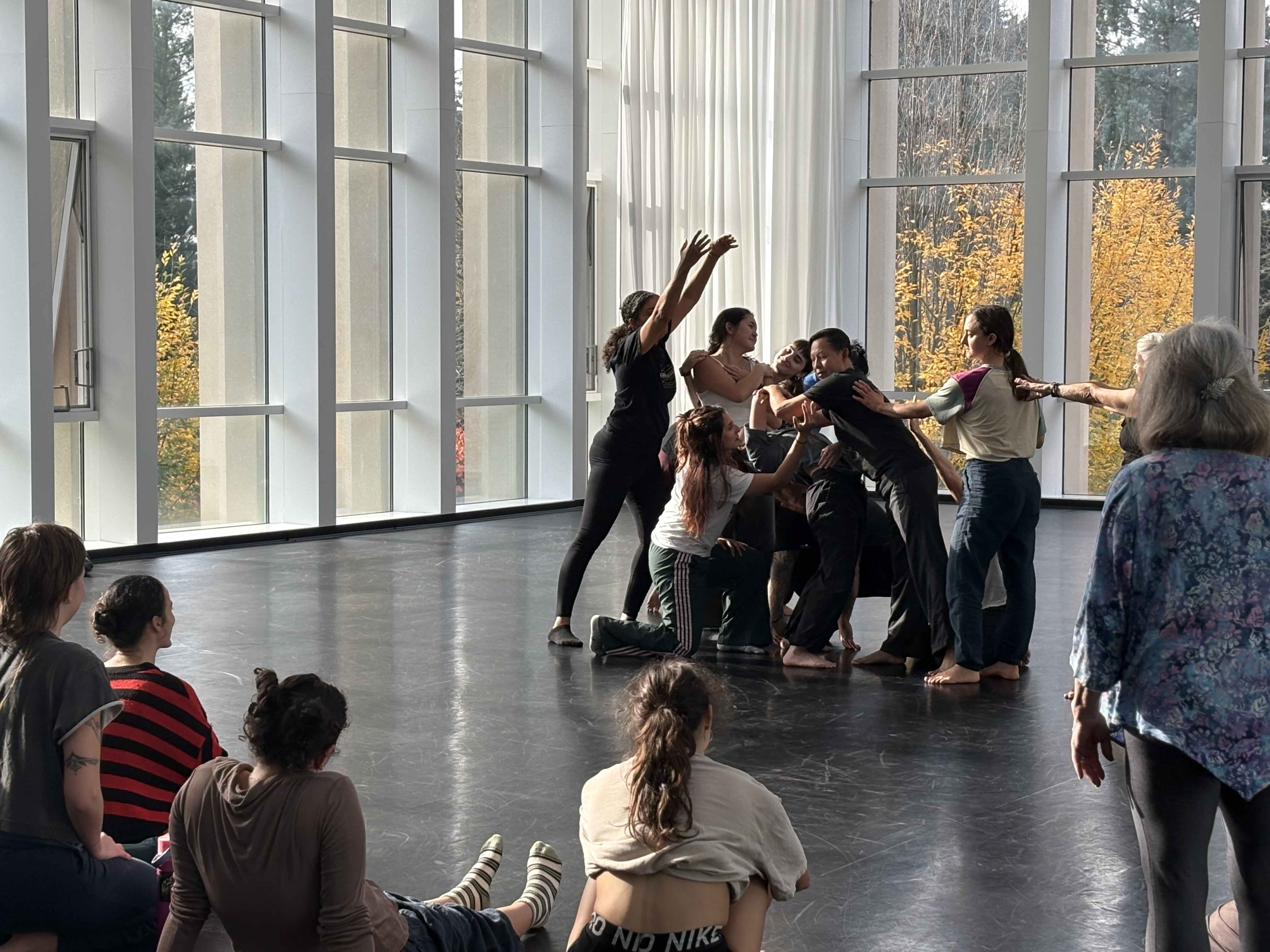
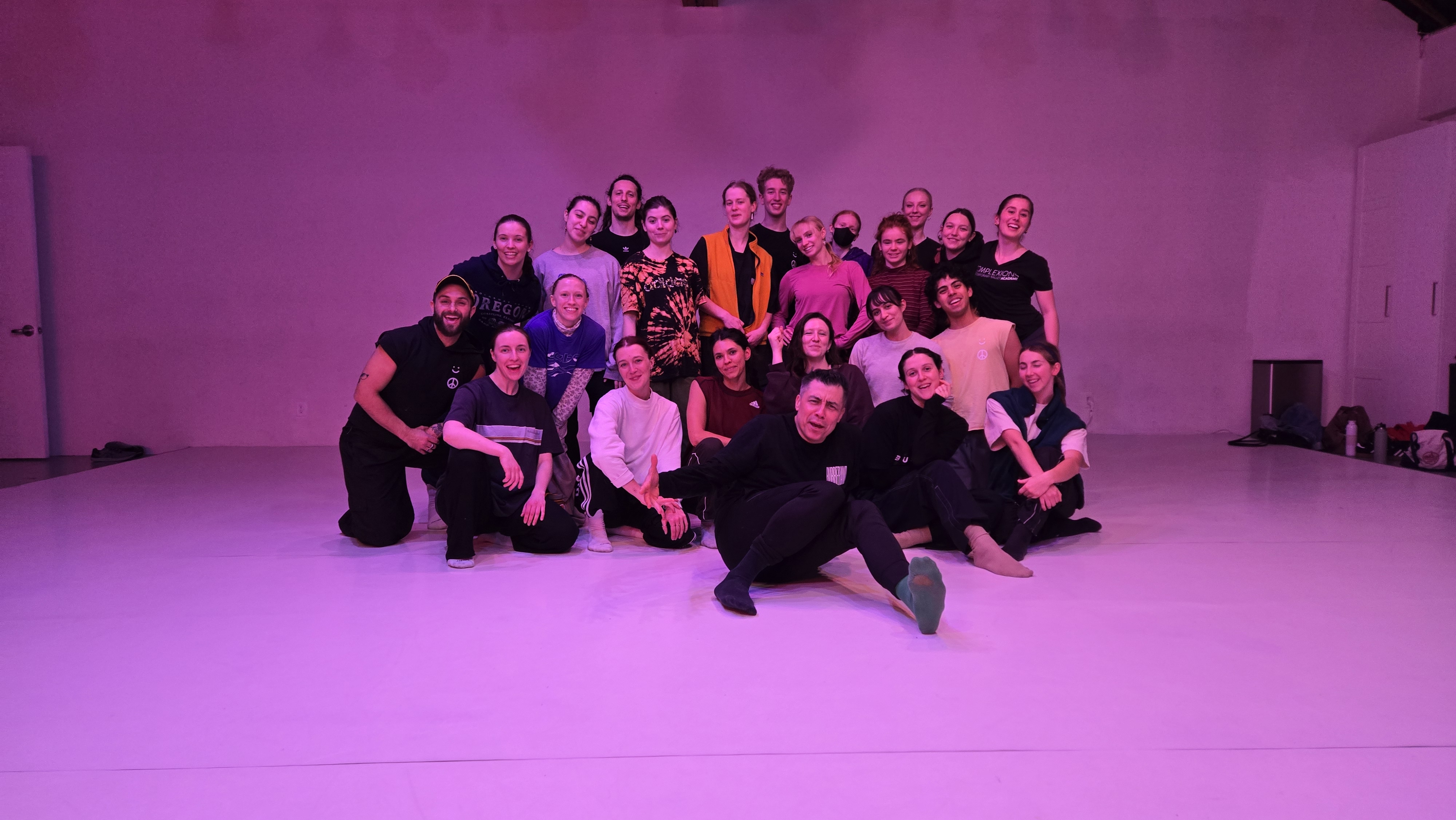
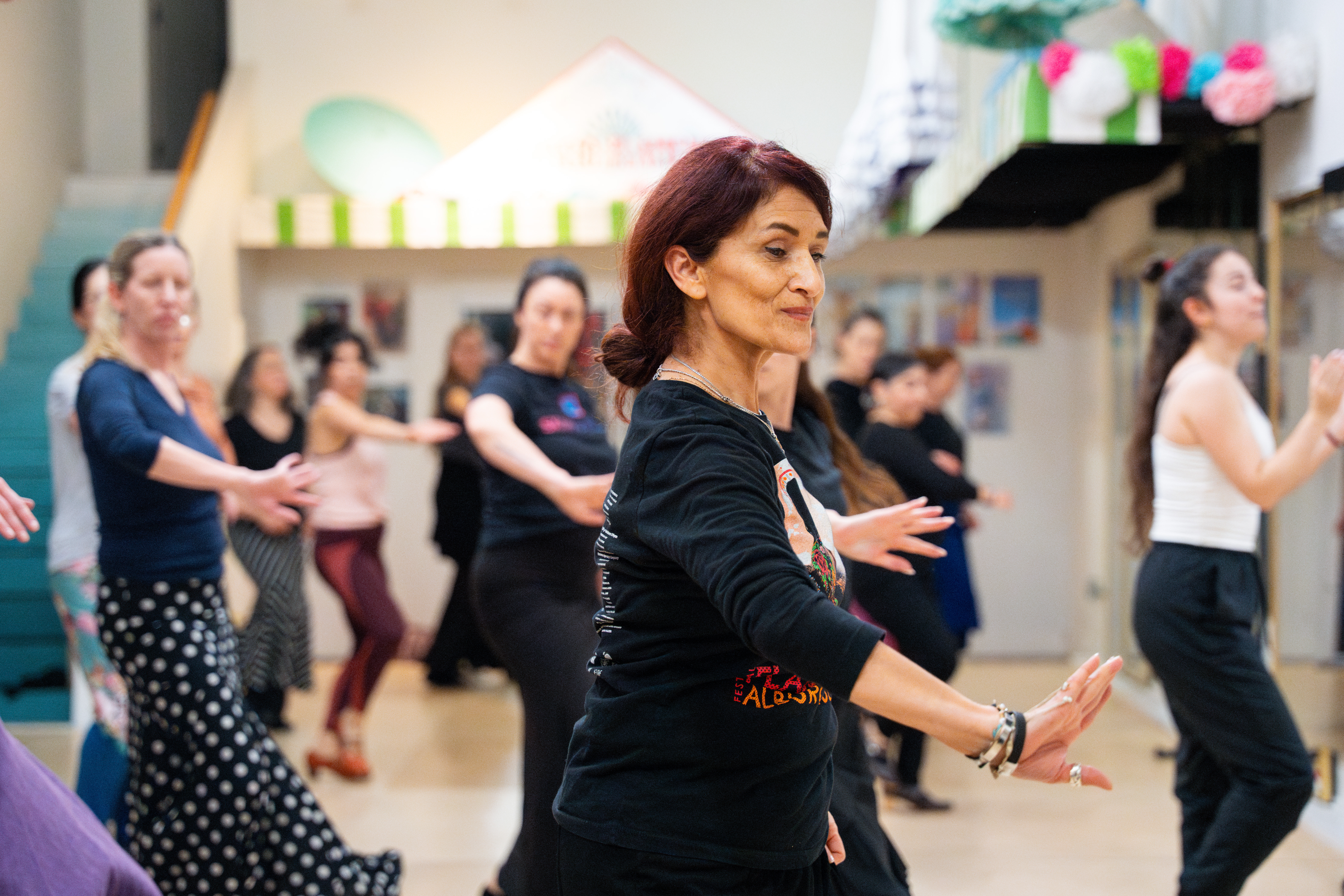
Curious about ways to connect directly with the artists we present? White Bird arranges a wide range of educational activities - all either free or pay what you wish - as a service to our community. These activities are announced on a rolling basis, generally 1-2 months before each show.
See the current list of upcoming activities by clicking HERE, and contact our box office at boxoffice@whitebird.org if you have questions or need assistance registering.
Want to be among the first to hear about upcoming workshops and community engagement events? Sign up for our Newsletter and make sure you're subscribed to our 'Beyond the Stage - Community Engagement Events' email list!
“The quality of artistry White Bird brings to our community is immeasurable, providing rich experiences that inspire young people to engage deeply in the arts.”
.jpg)
School Outreach
Since 2001, White Bird and Portland Public Schools have successfully partnered in developing a month-long multi-disciplinary curriculum on an artist or theme inspired by a dance company that White Bird is presenting.
Taught through the lenses of history, anthropology, literature, art, music, and dance, the curriculum sparks a passion in students who otherwise might not be exposed to contemporary culture. Each project culminates in a free student performance for 2,700 students and teachers by the dance company at the Arlene Schnitzer Concert Hall.
White Bird's Outreach Project will return in the 2027-28 school year. We are currently working to secure the funding necessary to support this program in the long term.
The project has blossomed, incorporating the talents of 67 teachers in an interdisciplinary juggernaut that includes courses outside the proscribed ‘cultural’ scope of social studies and history